By Naeva Flora, Hawai‘i Preparatory Academy ’26
Regenerative agriculture goes beyond preparing the soil for future years; it also includes passing on knowledge and stewardship to younger generations, continuing a longstanding cycle of growth. This principle was clearly demonstrated during our recent school garden workday at Honokaʻa High School, which not only focuses on planting and tending the land but also fostering connections across schools and generations. The day marked a meaningful milestone as our first student-led event in the Hawaiʻi Island School Garden Network, bringing together senior students from Honokaʻa High School and Hawaiʻi Preparatory Academy to design and host a day of ʻāina-centered learning for a group of rising 9th graders.
As high school comes to an end, seniors at both Hawaiʻi Preparatory Academy and Honokaʻa High School undertake passion projects known as capstones, which they pursue throughout their final year leading up to graduation. A capstone provides students with the opportunity to take initiative, develop new skills, and dedicate time and effort to a cause or passion that is meaningful to them.
Naeva Flora, a senior from Hawaiʻi Preparatory Academy, and Kamalani Toriano, a senior from Honokaʻa High School, connected through their shared enthusiasm for sustainability, regenerative agriculture, and the protection of Hawaiʻi’s traditional plants. Over the past several months, we supported these students in coordinating their first event at Honokaʻa, bringing their vision to life. Through this process, the seniors strengthened their skills in planning, collaboration, and leadership while thoughtfully guiding younger students through both hands-on garden work and culinary learning.
After overcoming setbacks from the island’s recent storms, the garden workday came together as a vibrant day of student leadership and hands-on learning.Throughout the event, students rotated through workshops designed and led by the senior organizers.
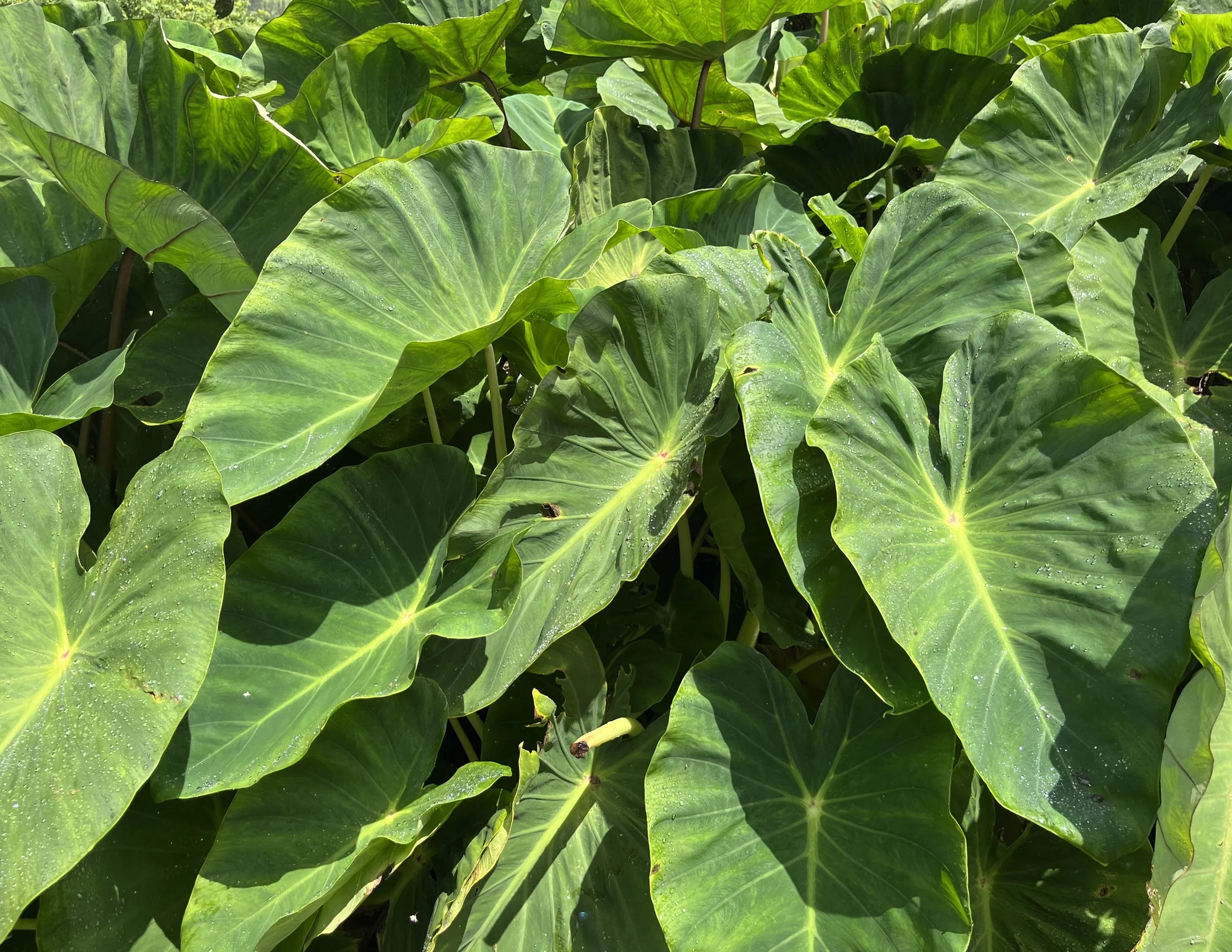
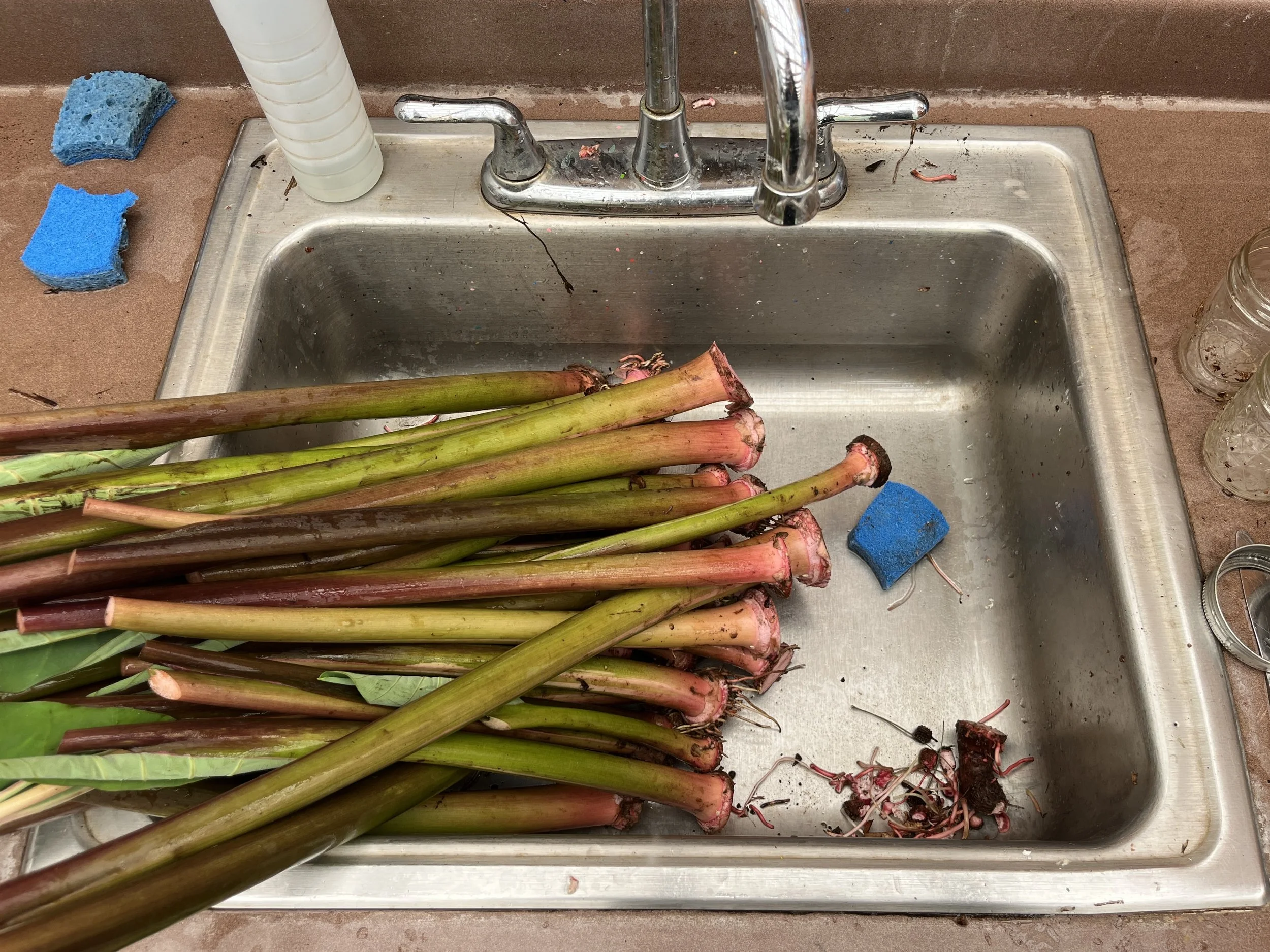
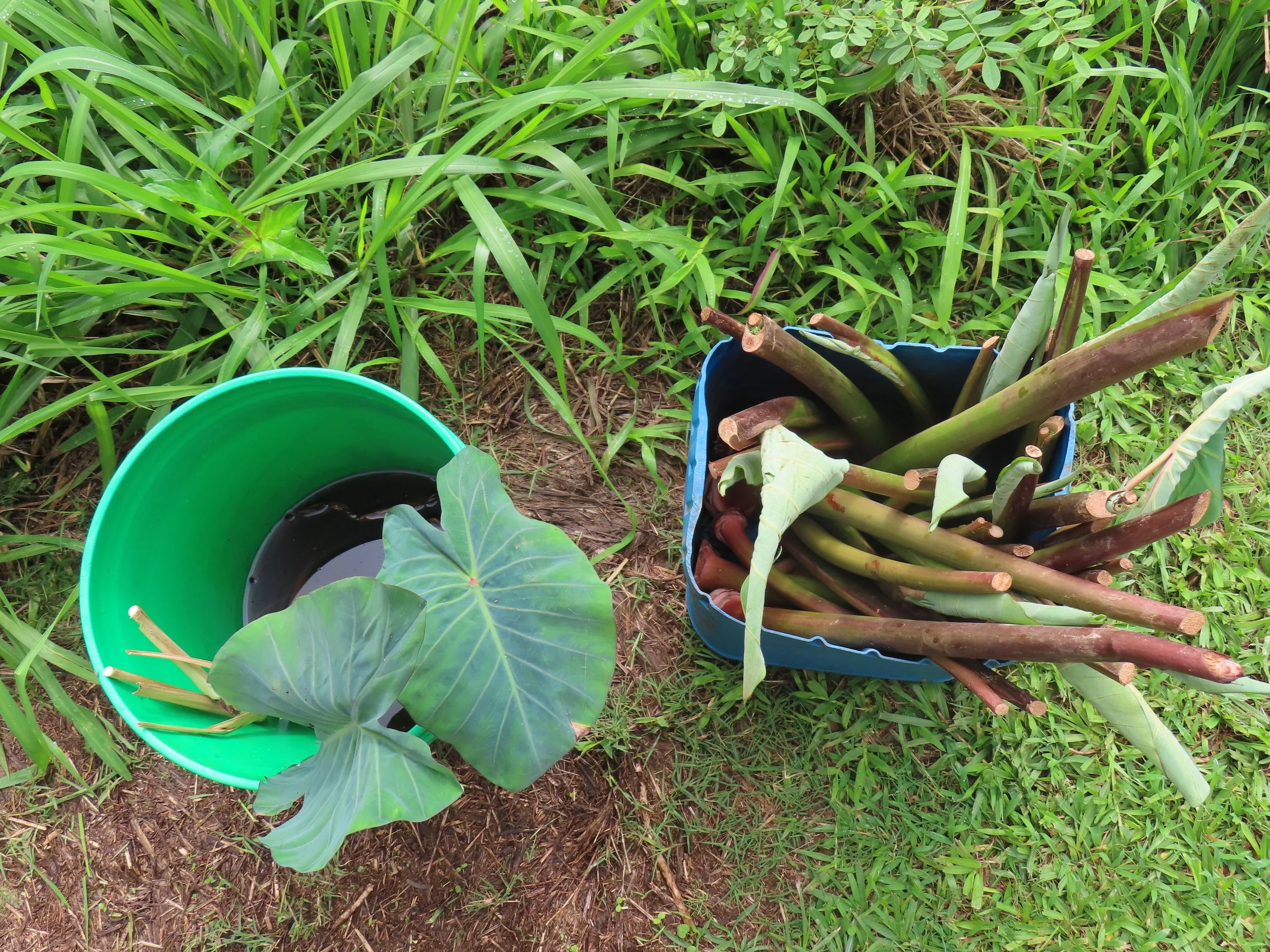
The first workshop focused on preparing the soil and planting huli gifted from HPA’s garden. Students learned about the life cycle of Hāloa and the deep cultural significance of kalo in Hawaiʻi as both a staple food and an ancestral plant.
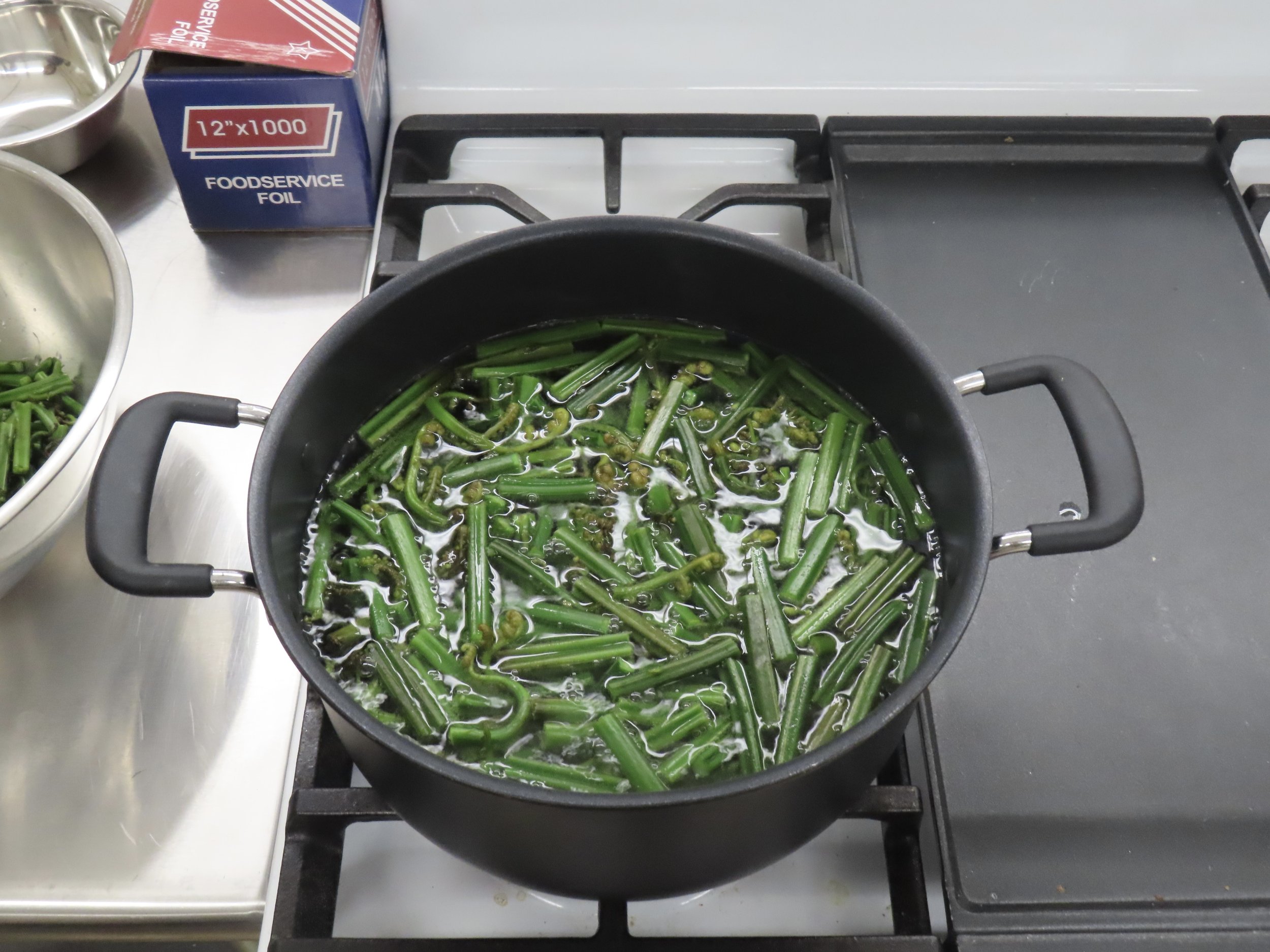
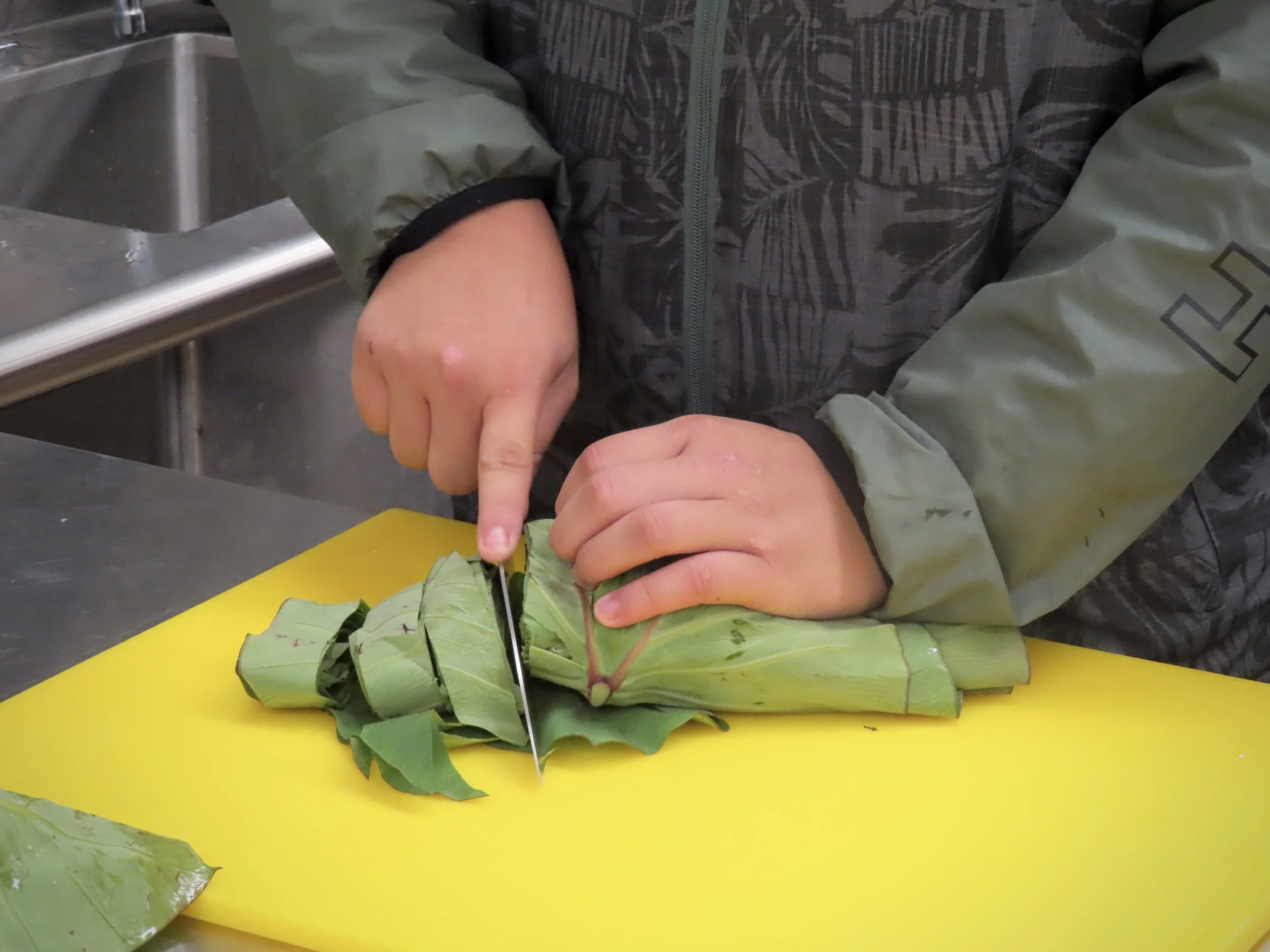
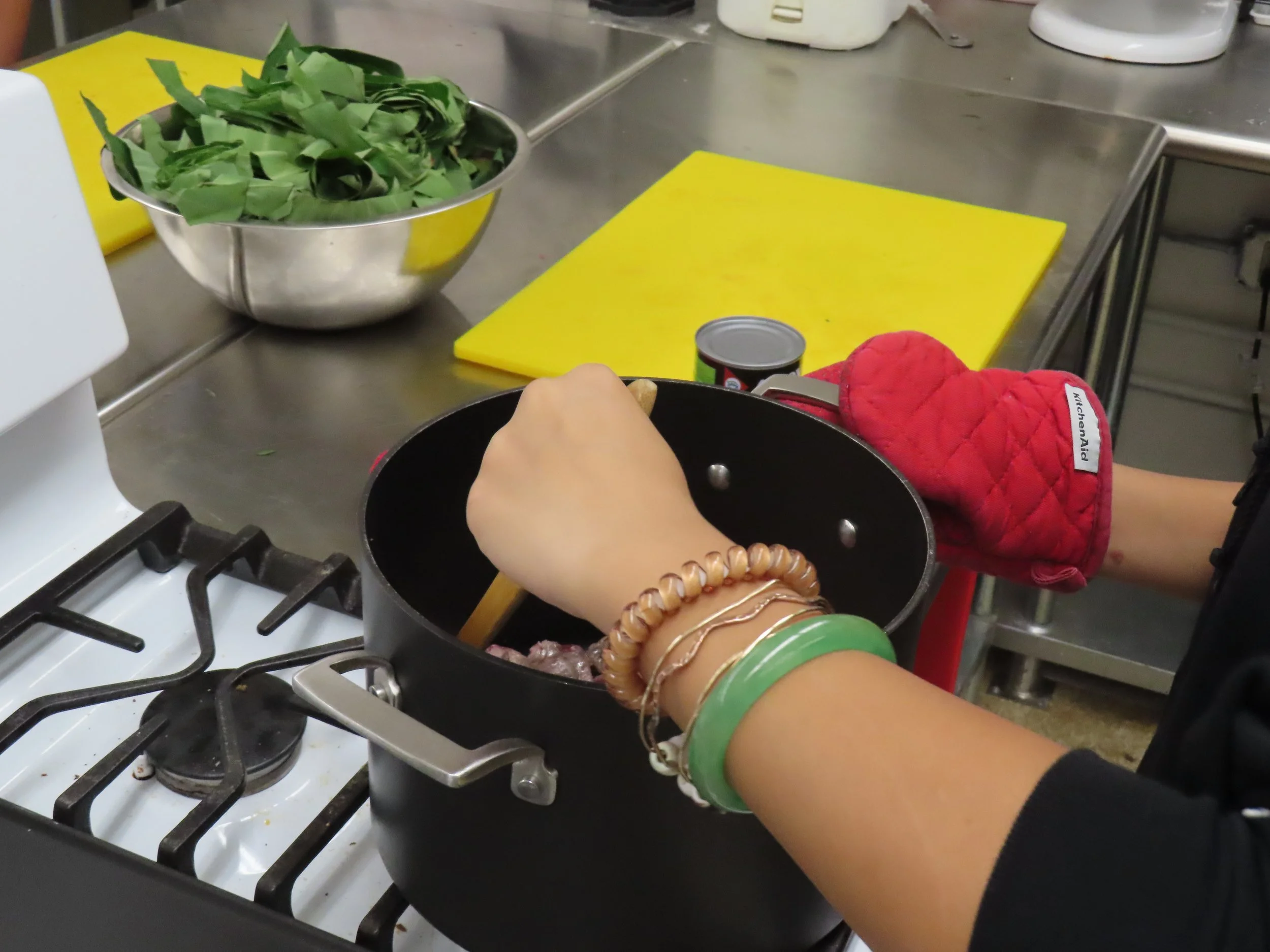
The second workshop was centered around preparing meaʻai, where students made hoʻiʻo salad and pork lūʻau using locally sourced pork, fresh hōʻiʻo, and kalo. These ingredients reflect foods that have long sustained communities across Hawaiʻi. Students practiced culinary skills while learning about the importance of these native plants—kalo, a foundational crop in Hawaiian agriculture and culture, and hōʻiʻo, a forest fern traditionally gathered and shared in salads or soups.
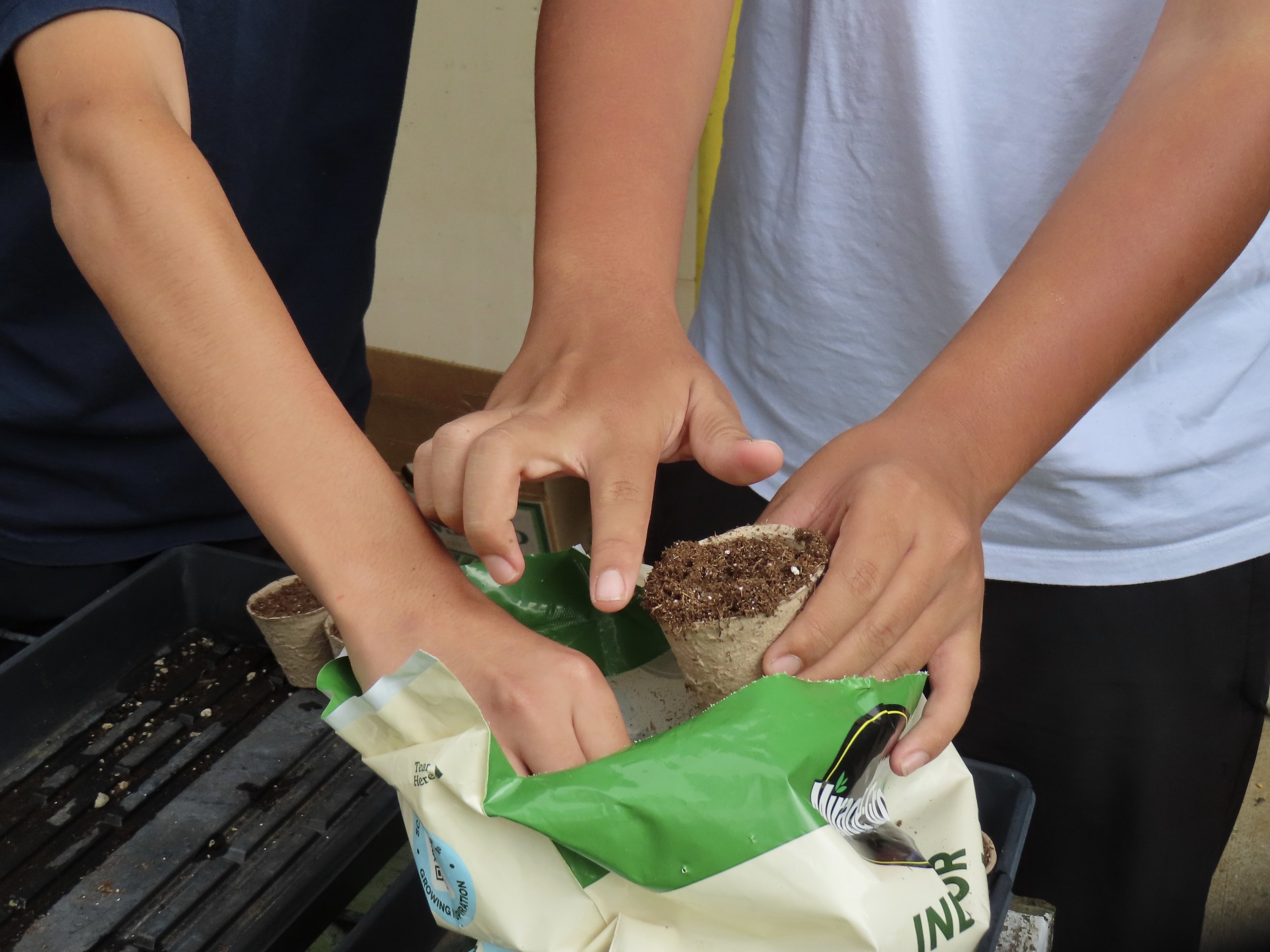
Finally, the students took part in a seeding workshop,where they planted vegetable seeds that will be transplanted to grow in the garden in the months ahead, symbolizing both the growth of the plants and the students themselves. The activity also served as a reminder that the garden is a living space of ongoing care and learning, inviting students to come back to the māla and tend to what now belongs to them.
At its heart, the day reflected how sustainability is rooted in both growing food and growing relationships. By engaging younger students in hands-on learning, the workshops encouraged a deeper sense of pilina, connection to the land, to local food, and to one another. Introducing students to regenerative agriculture at an early age helps cultivate respect and care for the places that sustain them. The garden becomes more than a learning space. It becomes a place students can always return, strengthening both their relationship with the land and with their community.
Looking ahead, this event has opened the door for continued student involvement and future gatherings in the garden. Opportunities for student internships and deeper engagement inʻāina-based learning can help sustain the momentum created by this workday. Continued collaboration between Honokaʻa High School and Hawaiʻi Preparatory Academy has the potential to strengthen connections across schools while bringing students, mentors, and community members together through shared care for the land. With each gathering in the māla, the hope is to expand awareness, invite greater participation, and continue nurturing a community rooted in stewardship and learning.